
Head Injury and Concussion Traumatic Brain Injury
A traumatic brain injury (TBI) is a blow or jolt to the head or the body or a penetrating head injury that disrupts the function of the brain.
Not all blows or jolts to the head result in a TBI.
The severity of such an injury may range from mild, also known as a concussion, to severe, with an extended period of unconsciousness or amnesia and disability after the injury.
A TBI can result in short or long-term problems with independent function.
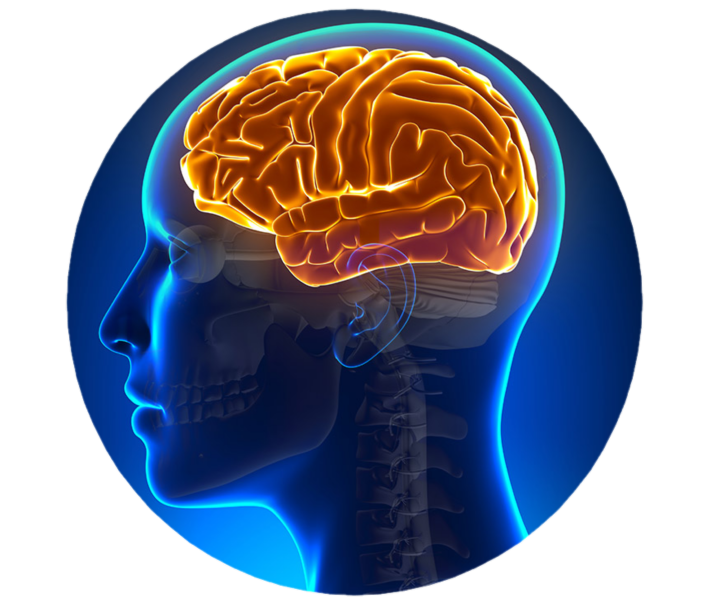
Concussion
A concussion is a mild traumatic brain injury that affects the way your brain works. It is caused by a bump, blow, or jolt to the head or by a hit to the body that causes the head and brain to move rapidly back and forth. Some people lose consciousness (knocked out) while others do not. You might experience temporary or long-lasting symptoms.
You may experience symptoms such as:
- Loss of memory
- Confusion or slurred speech
- Sensitivity to movement, light, sound, or computer screens
- Headaches
- Temporary loss of consciousness
- Seeing stars
- Dizziness
- Nausea or vomiting
- Ringing in the ears
- Physical or mental fatigue, or fogginess
Symptoms of a concussion can last days, weeks, or even longer. They might appear right away or several days after your injury.
We offer concussion rehabilitation to speed up your recovery, prevent further injury, and help you safely ease back into physical activity.
If you’ve suffered a concussion and you haven’t yet resumed full participation in your favorite everyday activities or sports, you might benefit from concussion physiotherapy.
We use the following treatments to help you safely ease back into physical activity. Examples include:
Vestibular Rehabilitation
During vestibular rehabilitation, we use techniques to help you reduce dizziness and improve your balance. Vestibular rehabilitation helps decrease or eliminate lightheadedness, spinning, dizziness, sensations of movement and bad balance.
Oculomotor Rehabilitation
Some concussion symptoms may stem from vision problems, for example, headaches, dizziness, light sensitivity, blurred/double vision when reading or using screens and a decreased ability to concentrate.
We work on skills such as eye-tracking, focusing, and eye teaming (how the eyes work together). We also will also work on overall spatial awareness. This has been found to assist the visual system to recover from issues that are often linked with concussion.
Exertion therapy
During exertion therapy, we help you slowly and safely ease back into physical activity after concussion. We use a concussion treadmill test to assess your limitations and can then give you exercises, so you can regain strength and aerobic endurance – and reduce or eliminate concussion symptoms, such as dizziness, fatigue, weakness, and balance problems.

Neck or cervical spine treatment
The overwhelming majority of people who suffer concussions will also experience neck pain and other neck issues as the force from a concussion is enough to also cause a neck injury. Injury or dysfunction of the neck has been shown to cause symptoms such as headaches, dizziness, loss of balance, nausea, visual and auditory disturbances and even reduced your ability to think and concentrate. These are also the most commonly reported symptoms in concussion.
We use many neck treatment techniques to help you overcome this.
With proper post-concussion rehabilitation, your symptoms should subside or decrease significantly.
Don’t let effects from a concussion linger and prevent you from safely enjoying everyday activities or returning to sports.
We work alongside APM Workcare (www.apm-nz.co.nz/business/find-us/christchurch) and Laura Ferguson Brain Injury Trust www.lfbit.co.nz
Moderate to severe head injuries
Long Term problems from TBI
TBI can cause a wide range of functional changes affecting thinking, language, learning, emotions, behavior, and/or sensation. It can also cause epilepsy and increase the risk for conditions such as Alzheimer’s disease, Parkinson’s disease, and other brain disorders that become more prevalent with age.
Physiotherapy Treatment
The Physiotherapist will address any specific physical problems a person might have after sustaining a brain injury. These might include:
- Balance
- Coordination
- Paralysis
- Spasticity
- Exercise tolerance
- Perception
- Proprioception
- Range of movement
- Strength
Often there may not be any obvious physical difficulties, however due to reduced fitness and tolerance a person can be affected by fatigue. This will affect their overall functioning not just physically but mentally as well.