
Dizziness and vertigo

What causes dizziness and vertigo? Listen to the RNZ interview It’s estimated forty percent of people over the age of 40 will experience some kind of dizziness or balance problem at some point in their life. For some, it will go beyond that. Vertigo can come on suddenly and it can last for a few […]
Menieres Disease
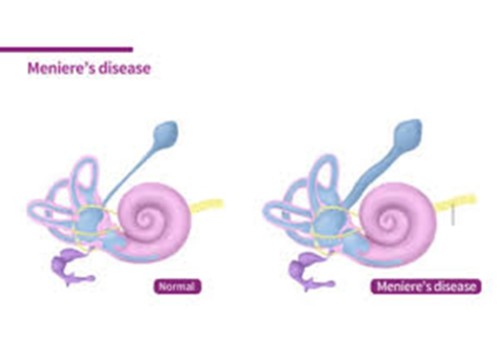
What is Meniere’s disease? It is idiopathic meaning there is no specific known cause. It is a form of endolymphatic hydrops which occurs due to an increase in endolymphatic fluid in the inner ear which causing a recurring set of symptoms. It can occur at any age but most common between 40-60 years old. At […]
Concussion
https://youtube.com/embed/KsIqmNcudeM?feature=share ACC Concussion Service Referral Physiotherapy Specialist Referral Form
Vestibular Neuritis
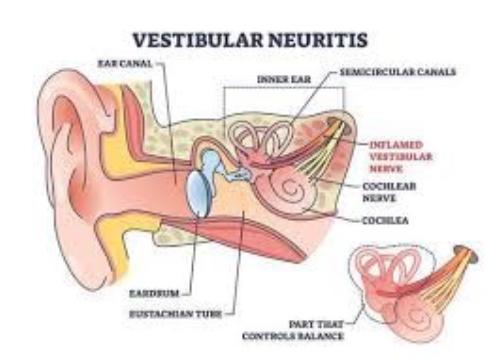
What is it? It is a common inner ear pathology occurring due to inflammation on the vestibular part of the cranial nerve. The cause is typically thought to be of viral origin. It typically presents with a sudden inset of vertigo, nausea and balance difficulties. What are the symptoms? Spinning vertigo usually occurs in one […]
What you need to know about BPPV

Vertigo is defined as a false sensation of movement, most commonly rotational movement. It is important to separate this feeling from that of dizziness or giddiness. Benign paroxysmal positional vertigo is the most common vestibular condition. It accounts for 17-42% of people with vertigo. What does BPPV stand for? Benign –not dangerous or harmful Paroxysmal […]
Hearing Loss Tips

There’s a lot of great information available on how to live well with hearing loss and tinnitus, much of it centering on technology. But in my experience, many important tips are overlooked because they are the on-the-ground type, the ones that you can only learn from the experience of communicating with people, as best as you can, every day.
Concussion And Your Neck

Both concussion and whiplash are due to acceleration and deceleration forces applied to the head, neck or body. Concussion causes the brain to accelerate and decelerate within the skull, while whiplash is due to acceleration or deceleration of the neck.
Falls

Falls aren’t ‘just part of getting older’ and don’t ‘just happen’. Many people who are older don’t fall, but some do. The people who do fall most likely have more risk factors, things about them that make them more likely to have a fall. Most of these risk factors can be helped and your risk of falling can be reduced with physiotherapy input.