What is a migraine?
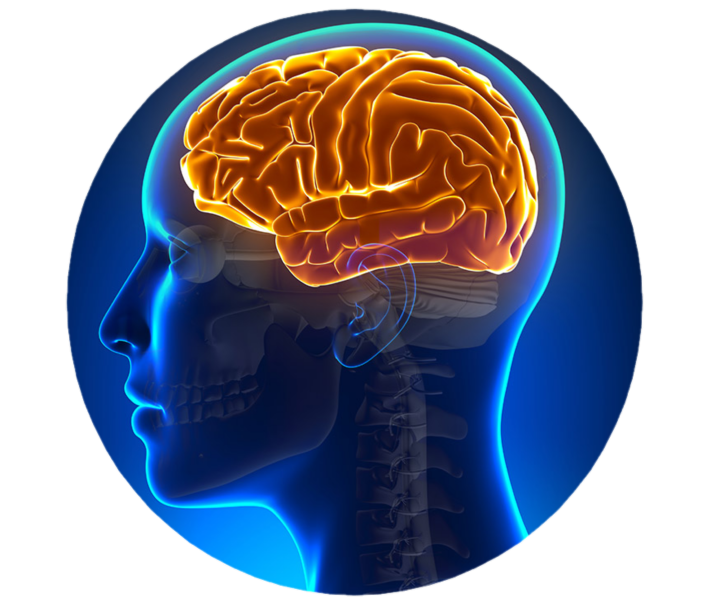
A migraine is a condition that affects the brain. Sometimes it runs in families, but not always. A migraine can last from a few hours up to 3 days. Migraines happen because of changes in how the brain works. These changes can affect nerves, brain chemicals, and make the brain more sensitive.
What is a vestibular migraine?
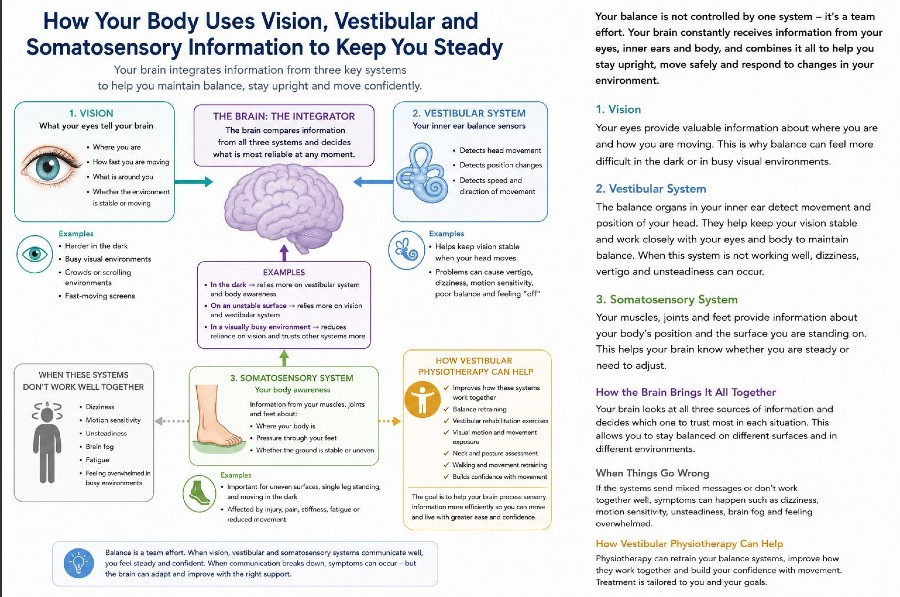
This type of migraine affects how your brain understands balance and visual information.
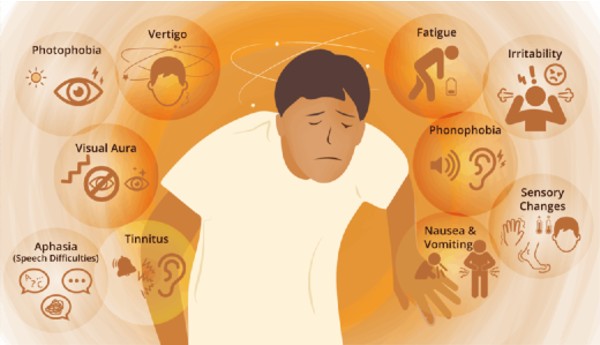
Symptoms may include:
- Dizziness or spinning (vertigo)
- Feeling unsteady
- Feeling sick (nausea)
- Sensitivity to movement
- Pressure in the head
- Sensitivity to light and sound
- Brain fog
- Sometimes a headache (not always)
Migraines have four different stages:
- Pre-dromal phase (before)
This is the early warning signs which can happen hours or even a day before
- Intra-ictal phase (during)
The main attack phase when the migraine is occurring which is usually the most intense symptoms
- Post-dromal phase (after)
The recovery when the symptoms are settling and can cause more tiredness
- Inter-ictal phase (between)
Between migraine attacks some people can get different symptoms if they get chronic migraines
What can trigger migraine?
- Changes in sleep or stress
- Skipping meals
- Weather changes
- Alcohol
- Changes in caffeine
- Not drinking enough water
How is it diagnosed?
There is no specific test and therefore it requires a detailed history about your experience to be gathered, detailed assessment/examination and ruling out other causes are very important. The International Classification of Headache Disorders (ICHD-3) is used to help provide guidance on diagnosis.
How is it treated?
- Healthy habits (sleep, food, water)
- Medicine if needed
- Balance and vestibular exercises
It can take time to find out what works best for you. Speak with your doctor or health care professional and keep a diary of your symptoms to see if there is a pattern.